Cart
0
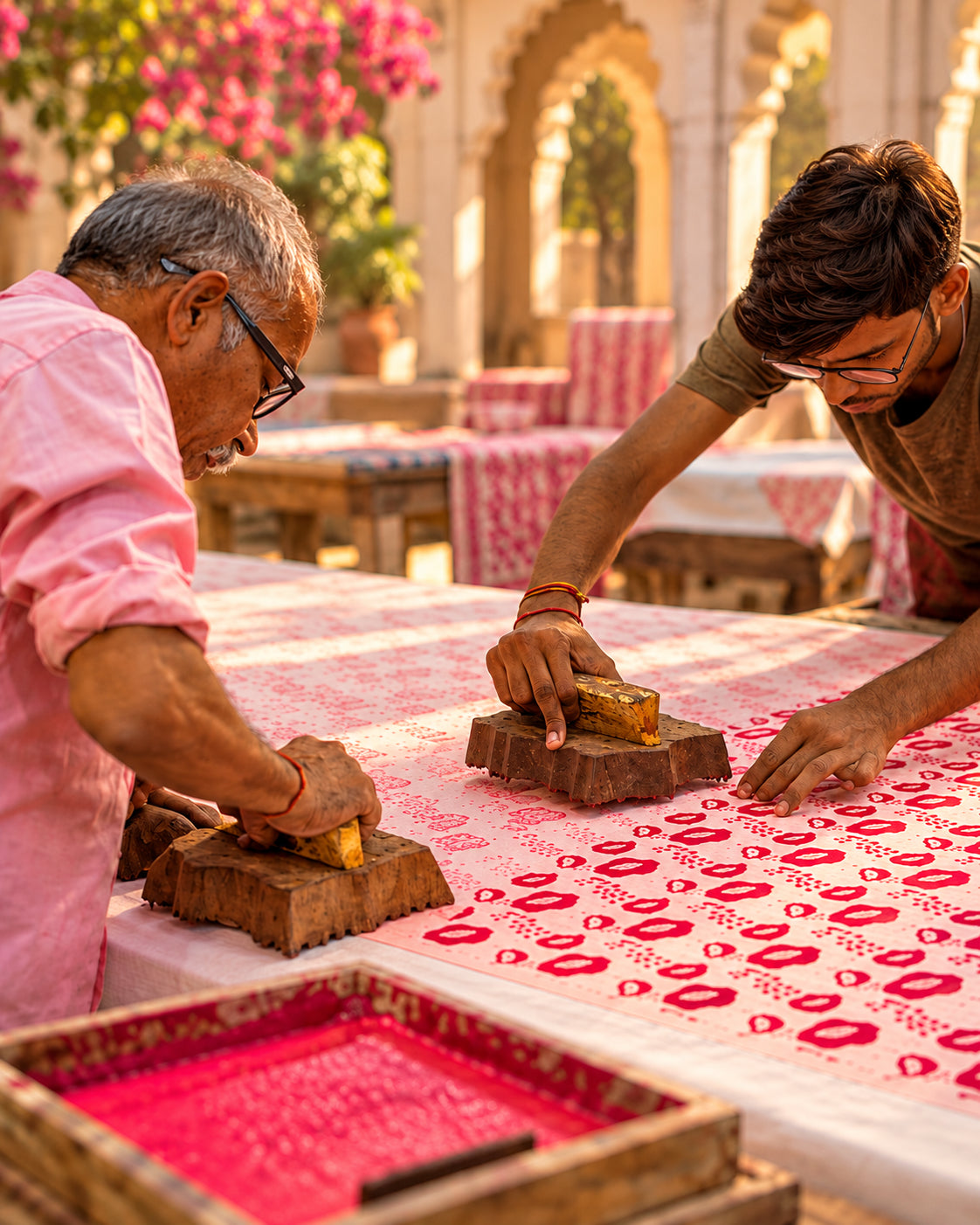
There is a particular pleasure in finding something made by hand.
Perhaps it is the slight variation in a pattern. The feel of a natural material. The sense that someone, rather
than a machine alone, has had a part in making the object you are holding.
That feeling sits at the heart of Ignis & Iris.
We began with a simple idea: Indian craftsmanship does not need to be placed in the past to be appreciated.
It can have a natural place in contemporary life — in the things we carry, use, wear and live with every day.
Indian craft. Modern life.
For us, the distinction matters. Ignis & Iris is not about presenting “Indian products” as a category. It is about
discovering beautiful work rooted in Indian making traditions and considering how it can belong in a modern
British setting.
That means looking beyond decoration. We are interested in the relationship between heritage, utility, beauty
and design. A well-made object should have a story, but it should also have a purpose. It should feel
connected to where it came from without feeling out of place where it is going.
The name Ignis & Iris reflects this meeting of ideas. Ignis means fire; Iris means rainbow. One suggests
warmth, transformation and energy. The other brings to mind colour, pattern and possibility. Together, they
express the tension we love: something rooted in tradition, yet open to a new context.
Our aesthetic follows the same principle. Rather than leaning into the obvious visual language of “Indian”
design, we prefer restraint: warm neutrals, tactile materials, thoughtful details and colour that comes from the craft itself. The result is intended to feel at home in a London flat, a trip to St. Ives, a weekday commute or a weekend away.
As Ignis & Iris grows, the products may change. The materials may change. The crafts and regions we discover may change. What will remain is the point of view: beautiful things, made with skill and intention, brought thoughtfully into modern life.
Because tradition is not something that has to stand still.
Sometimes, it simply needs a new place to live.
Indian craft. Modern life